








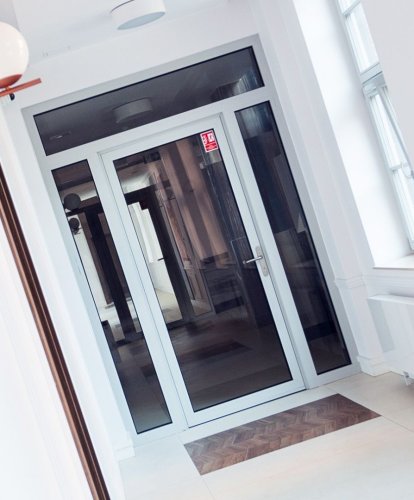
EI30 and EI60 explained: fire door ratings in depth
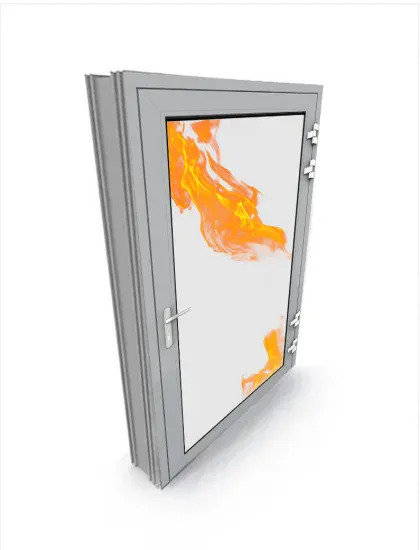
EI ratings represent a fire door’s ability to provide fire resistance in terms of both integrity (E) and insulation (I). EI30 means the door can resist fire for 30 minutes, while EI60 indicates a resistance of 60 minutes. These ratings are derived from rigorous testing and form the foundation of the fire performance expected of certified fire doors. In the event of a fire, the door’s ability to block flames and heat becomes vital to the fire safety strategy of the building.
In practical terms, fire rated doors like EI30 are suitable for many domestic properties, especially when used between a habitable room and a garage or integral garage. For commercial property or residential buildings with three or more floors, EI60 is more appropriate, offering enhanced protection in complex escape routes, including both horizontal escape routes and vertical escape routes.
The legal framework: from fire safety order to new regulations
The Regulatory Reform (Fire Safety) Order 2005 forms the legal bedrock of current UK fire safety legislation. It applies to commercial buildings, residential buildings (with shared common areas), and commercial premises. Under this law, the responsible person must ensure the fire risk assessment is updated regularly and that fire safety precautions are in place and effective.
With the introduction of the Fire Safety (England) Regulations 2022, which expanded the obligations on building owners and responsible persons, the spotlight has turned sharply onto fire doors. Now, fire door inspections are mandatory in multi occupied residential buildings over 11 metres in height. These regulations also emphasise fire door maintenance, self-closing devices, and checking the door closer shuts and door closes correctly every six months in communal areas and yearly for flat entrance doors.
Importance of compliance in existing buildings and blocks of flats
Existing buildings, especially blocks of flats, pose a unique challenge for fire safety enforcement. Many older properties still rely on old window frames, outdated door frame constructions, or flat entrance doors that may not meet the standards set out in the fire doors regulations. The responsible person is obliged to conduct a thorough fire risk assessment carried out by a competent person to ensure that the structure can handle modern fire safety demands.
In communal areas, doors must meet fire rated specifications. This includes updated fire door frame regulations covering the door frame, door's glazing apertures, hinges, smoke seals, and seal around the frame. For any old window or old window frame located near a fire door, such components should be evaluated as part of the fire safety plan, particularly in loft conversions or areas with integral garages.
Installation matters: how fitting a window or door relates to fire doors
While fitting a window may seem unrelated, the process shares many considerations with fire doors—including the need for precision, seal, and correct installation. When replacing an old window near a fire escape route or communal area, ensuring it aligns with fire doors regulations is critical. Poor frame sealant, a misaligned window sill, or unsealed window reveals could compromise the entire fire safety strategy.
Using tools like a spirit level, tape measure, and utility knife, installers must ensure a neat finish. The presence of internal plasterwork, frame extenders, insert spacers, or masonry nails all contribute to the overall safety and compliance of the window's exterior and its surrounding internal wall or outer wall. It's not uncommon for fire door inspections to include checks on nearby window frames, particularly in stairwells and corridors that serve as primary escape routes.
Building regulations for fire doors in commercial buildings
Commercial buildings are subject to stringent building regulations regarding fire doors, especially those used in communal areas or as access points to residential buildings. A fire door set must pass tests that include heat resistance, fire resistance, and smoke containment. The fire performance of these doors is vital to protecting both employees and clients in the event of a fire.
In these environments, regular fire door inspections, door closer checks, and maintenance of self closing devices are essential. Doors used in commercial premises must be clearly labelled, show their EI rating, and feature proper door frame construction. The London Fire Brigade and other local authorities have increased checks in recent years following several high-profile incidents related to fire safety order 2005 breaches.
Fire doors play a role in residential buildings too
In every domestic property, particularly those with three or more floors, the installation of internal fire doors is more than advisable—it is often required by law. These fire rated doors help compartmentalise the home, ensuring that a fire starting in one habitable room does not rapidly engulf the entire property.
Whether separating a garage from the home, or installed between a kitchen and stairwell, these doors must be tested and rated appropriately. All components—including the door frame, hinges, and seal—must comply with fire door frame regulations. In certain configurations, such as loft conversions, or homes with extended horizontal escape routes, upgraded fire doors can be lifesaving.
Routine fire door inspections and maintenance requirements
Under the latest fire doors regulations, routine fire door inspections are a non-negotiable requirement. These inspections ensure that fire doors function correctly, the door closer shuts, and there are no visible defects in the door frame, glazing, or seal. The presence of a competent person is necessary for carrying out these evaluations, particularly in residential buildings and commercial property.
In existing buildings, retrofitting EI30 or EI60 fire doors may be required if the fire risk assessment reveals deficiencies. A crucial part of fire door maintenance involves checking for sharp edges, gap tolerances, and proper operation of smoke seals and hinges. The goal is to ensure that the door closes correctly and that it will withstand flames and smoke long enough to protect the building’s occupants.
The role of the responsible person in enforcing fire safety measures
The responsible person is expected to understand the implications of both the fire safety order and the more recent Fire Safety Act. This includes developing a full fire safety strategy, performing risk assessments, and ensuring that the fire doors installed meet appropriate standards, including fire door ratings like EI30 or EI60.
For residential buildings, this includes reviewing front door integrity in flats, inspecting flat entrance doors, and confirming compliance in communal areas. For commercial premises, it includes verifying that escape routes are unobstructed and properly protected by fire rated doors.
Why EI60 fire doors are essential in multi occupied residential buildings
In multi occupied residential buildings, the use of EI60 fire doors is strongly advised for critical areas such as communal areas, staircases, and corridors. These doors are designed to withstand fire and heat for an hour, allowing the fire brigade time to intervene and occupants time to evacuate. In a block of flats, the spread of fire can be rapid—making compartmentalisation through fire doors one of the most effective fire safety measures.
Each door frame, seal, and door closer must be assessed during installation and throughout the door’s lifecycle. If installed improperly, a fire door loses its efficiency entirely. For that reason, fire rated doors should always be sourced from reputable manufacturers and installed by certified professionals.
DAKO fire doors – certified protection for residential and commercial buildings
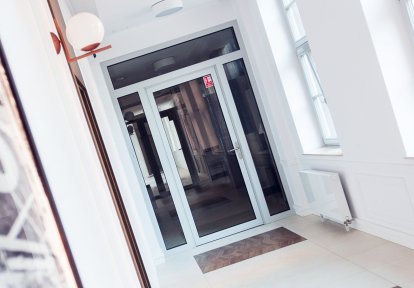
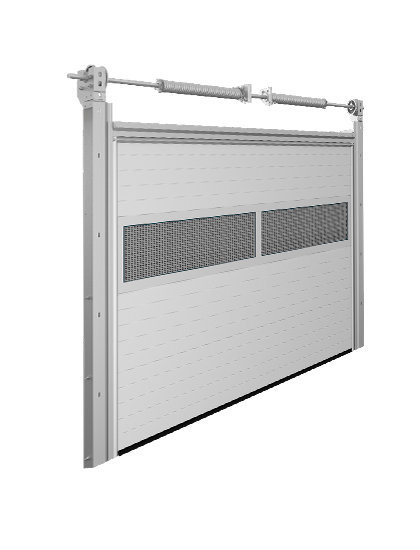
When it comes to complying with the latest fire doors regulations, the choice of product and manufacturer plays a crucial role in ensuring safety and legal conformity. DAKO, as an experienced European manufacturer of joinery, offers a comprehensive range of certified fire doors designed to meet the highest standards of fire resistance. These doors are tested and classified according to EI30 and EI60 ratings, ensuring that they provide effective protection in both residential buildings, such as a block of flats, and commercial buildings, including offices, retail units, and public premises.
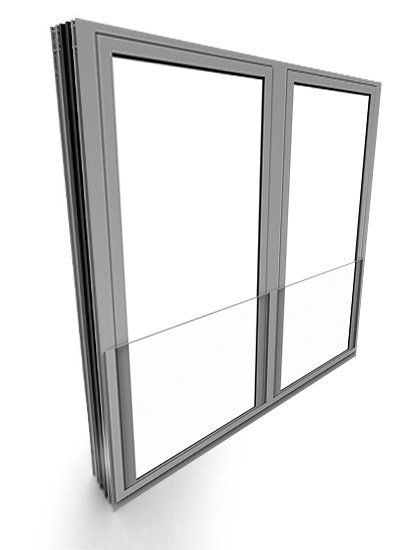
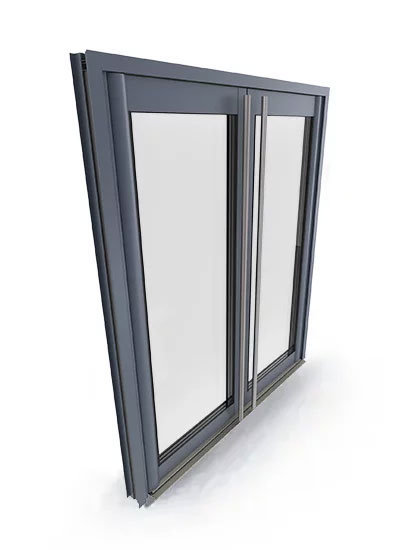
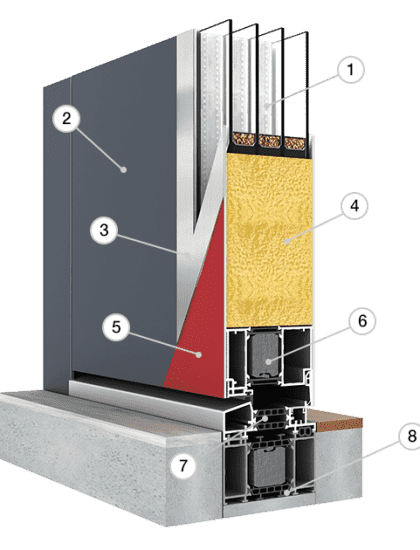
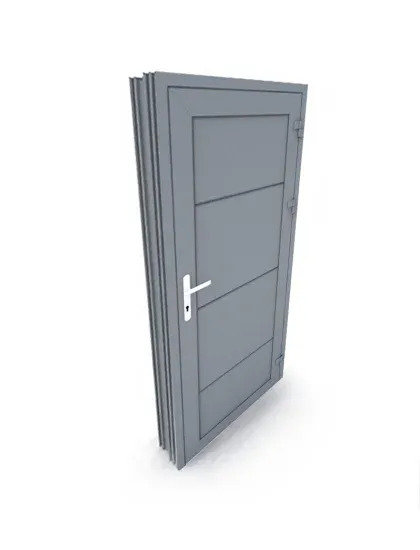
The fire doors available at DAKO are engineered with robust materials, precision-fitted door frames, and integrated smoke seals, supporting their ability to contain the spread of fire and smoke in the event of a fire. Whether you are a responsible person overseeing a multi occupied residential building or a building owner of a commercial facility, DAKO’s solutions help you comply with fire safety regulations and enhance occupant protection across all communal areas and access points. These products are also equipped with modern self-closing devices, compliant hinges, and durable glazing, making them a reliable component in any fire safety strategy.