



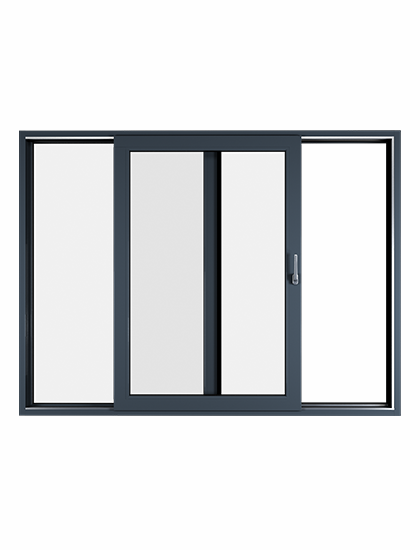
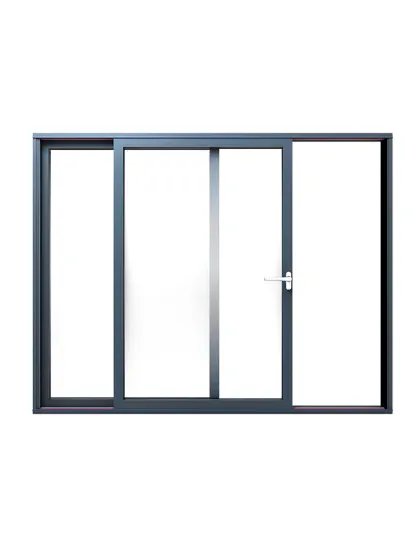


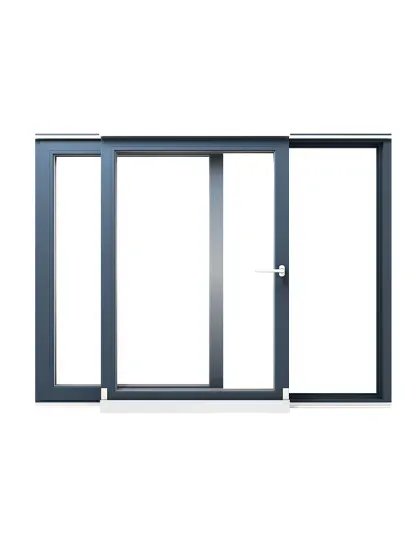
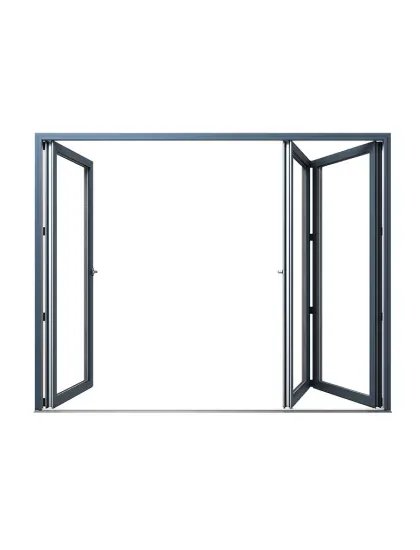
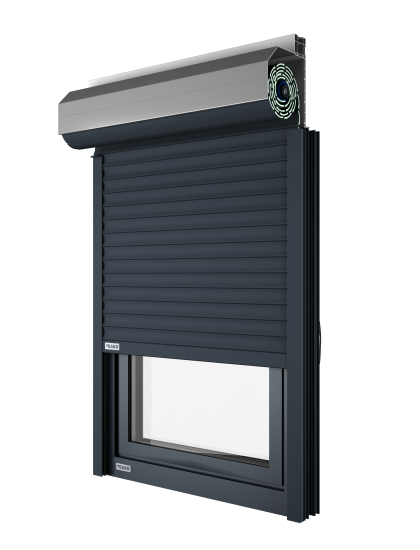
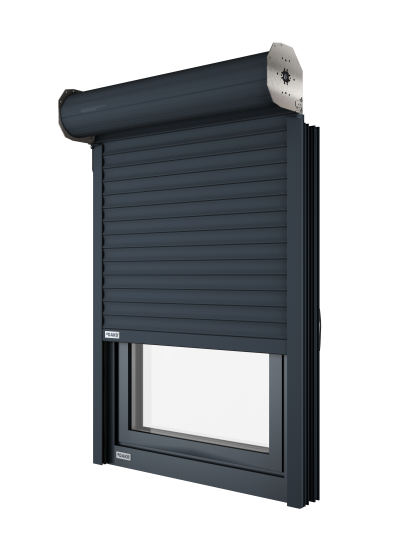
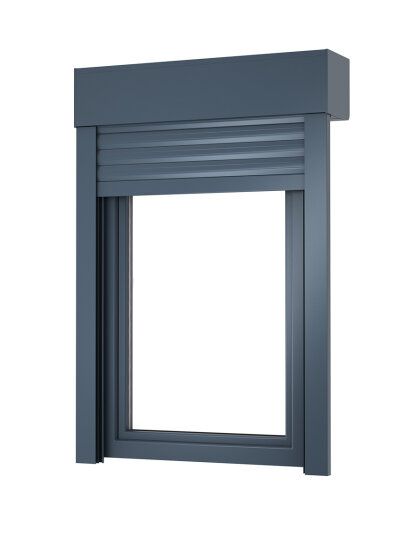



Understanding the structure: old window frame vs new installation
Before fitting a window, it’s crucial to assess the condition of the old window frame. Many older homes feature timber frames that have warped over time or suffered water damage. You may also find sharp edges, crumbling interior sill, or degraded adhesive that no longer forms an airtight seal between the window and wall. These factors can complicate removal and replacement.
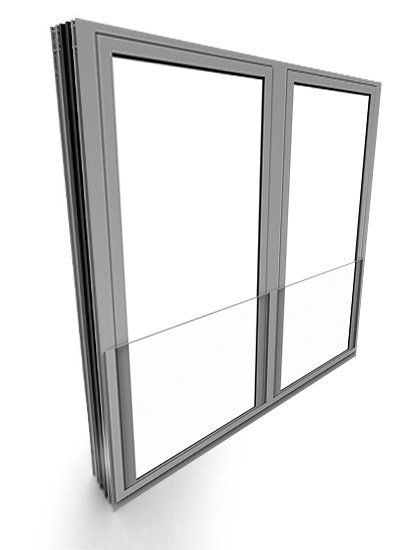
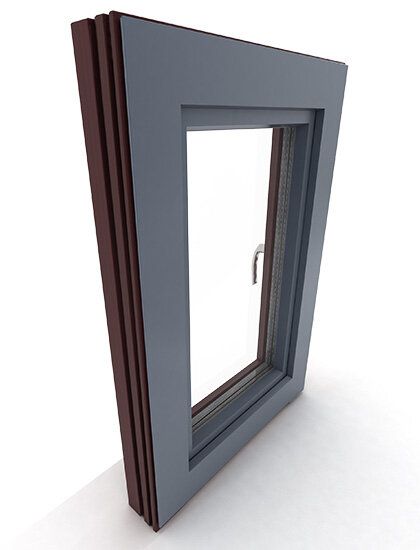
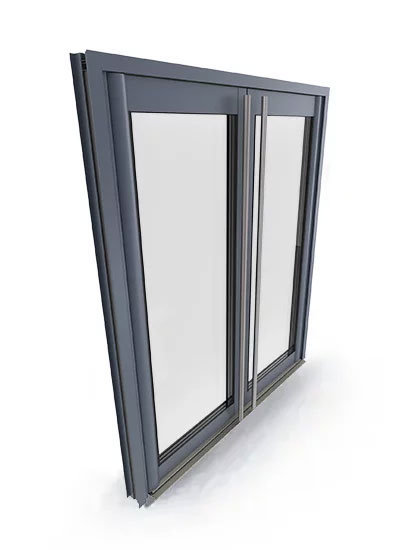
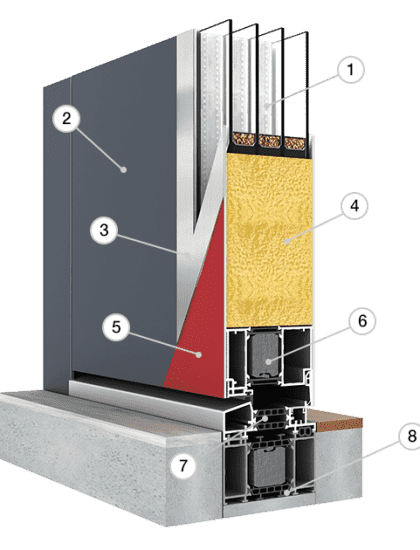
In contrast, a new window comes with a new frame designed for improved insulation and tighter tolerances. Today’s window frames are often reinforced with materials like aluminium or PVC and fitted with fixed panes for added stability. For any replacement job, it's essential to assess whether the window opening is level and clean. Tools like a spirit level, tape measure, and utility knife become indispensable here to mark exact width, height, and line for the new fit.
Professional window installation: benefits and expertise
Hiring professionals for the installation of a new window offers several advantages. Certified installers understand how to insert spacers, place frame extenders, and align the frame with the vertical edges of the opening. They’ll ensure proper use of expanding foam for insulation, apply adhesive and sealant accurately, and secure the structure using frame fixers and masonry nails at calculated fixing points.
Moreover, professionals know how to create a neat finish that integrates seamlessly with internal plasterwork and existing décor. They also handle doors, hinges, cover vents, and ventilator grilles when present. A trained eye can identify smaller gaps that an untrained homeowner might overlook — especially around the window's exterior, outer sill, or curved end of the frame.
Importantly, licensed companies follow building codes and installation guidelines, helping you avoid expensive repairs down the line. For example, installers will check that the window properly accommodates airflow, sunlight, and privacy without compromising insulation.

DIY window installation: what you need to know
If you decide on a DIY route, it’s vital to plan carefully. Start by removing the old window with a bolster chisel and hammer, being cautious not to damage the internal wall or create too wide of a gap. Use a tape measure and spirit level to ensure the new window fits precisely.
You’ll need to measure the hole accurately and mark the line for the new frame. Apply frame sealant and adhesive evenly, avoiding overflow. Insert frame extenders or insert spacers to fill uneven space between the frame and wall. Then secure the unit with appropriate screws, attach it firmly, and check the operation of any hinges or sliding mechanisms.
Fitting a window yourself also means considering safety. Always wear safety goggles when using power tools like a utility knife. Additionally, be cautious when handling glass, which is heavy, fragile, and often sharp around the edges and corners.
Critical points during installation: sill, frame, and seal
No window installation is complete without proper attention to the window sill — both interior sill and outer sill. These horizontal surfaces must be level and allow water runoff to prevent moisture damage to the outer wall. Whether you’re dealing with a domestic window or one adjacent to doors, the sill must align perfectly with the frame and be sealed correctly.
Use adhesive and expanding foam at key fixing points around the frame. Then attach finishing trim for aesthetics. It’s also common to slide the ventilator grille into place or align a cover vent if your window setup includes airflow systems. The window's exterior should be treated to withstand environmental conditions, and all gaps must be filled to avoid thermal bridges. For a new window to function efficiently, the seal must be continuous. This includes not only the glass edge but also the connection between window frames and the wall — especially near doors, where air tightness is crucial.
Common mistakes to avoid when fitting a window
One of the most common issues in DIY window installations is underestimating the complexity of aligning the new frame with the opening. Misjudging the length, width, or level of the space may result in a loose fit that compromises insulation or causes the window to rattle in high winds. Uneven seal or poor adhesive application can also lead to water ingress or air leakage.
Failing to trim frame extenders or not smoothing the internal plasterwork around the window opening may leave an untidy finish. Some homeowners neglect to check the fit of doors next to newly installed windows, affecting the overall thermal balance of the room.
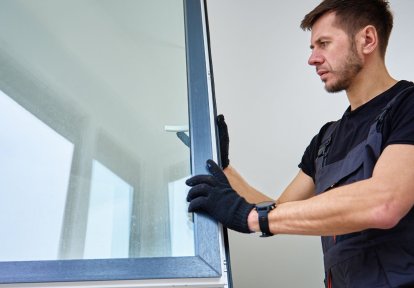
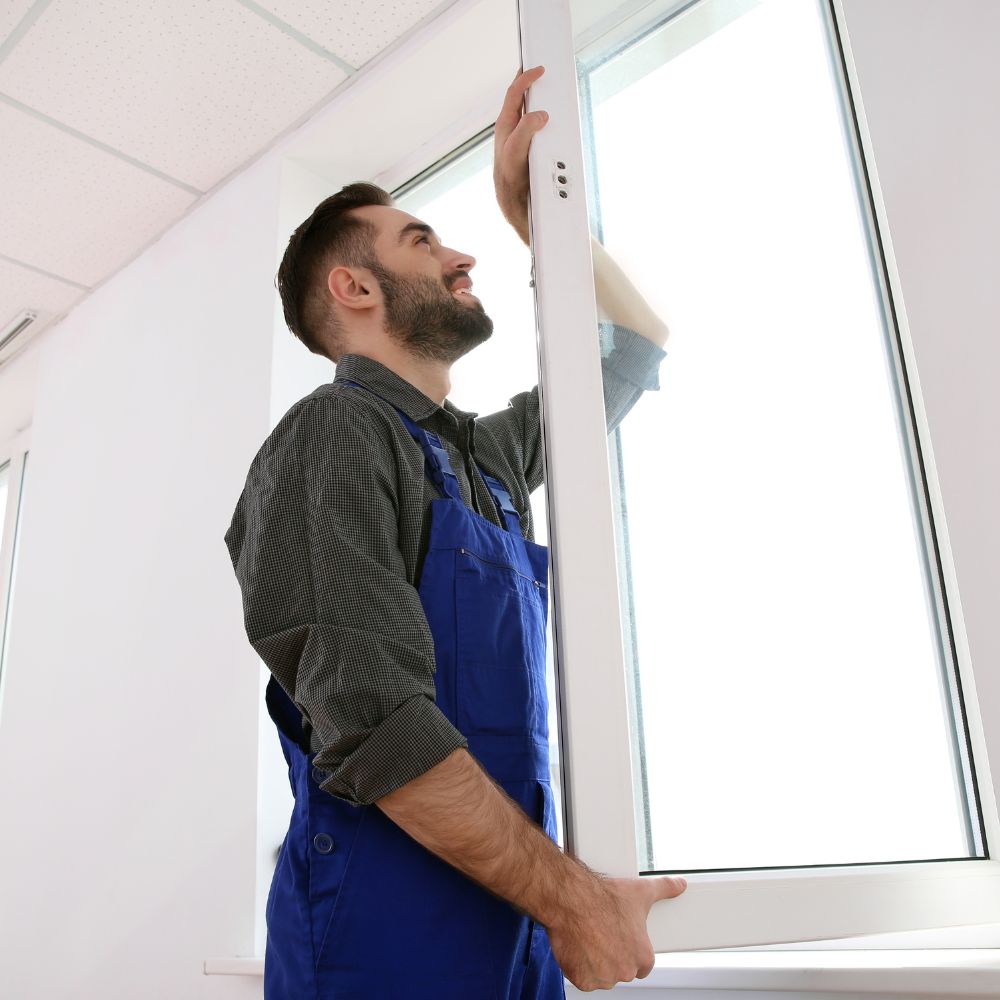
Another tip: always lift the window with a partner. Large glass panes and heavy frames can be difficult to manoeuvre safely alone. If you pull or slide them at the wrong angle, you risk cracking the glass or misaligning the vertical axis.
When should you choose professional help?
Choosing whether to handle fitting a window yourself or hire professionals depends on the scale of your project, your level of experience, and the condition of your existing installation. If you're simply replacing an old window frame of the same dimensions, and you're comfortable with basic tools and measurements, DIY may be feasible.
However, if the project involves structural work, complex window frames, large glass panels, or integration with nearby doors and mechanical systems, it’s safer to call in certified installers. They ensure the window fits precisely, is sealed to modern standards, and meets all necessary building codes — guaranteeing long-term performance and peace of mind.