







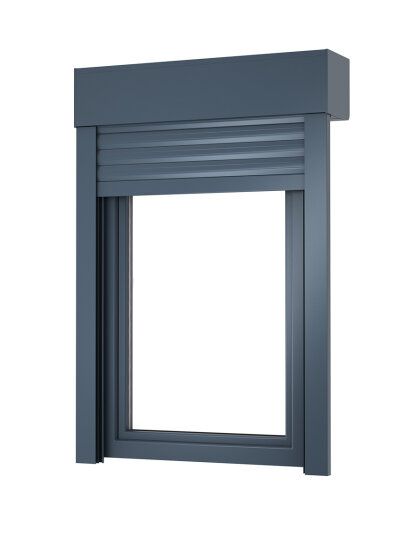
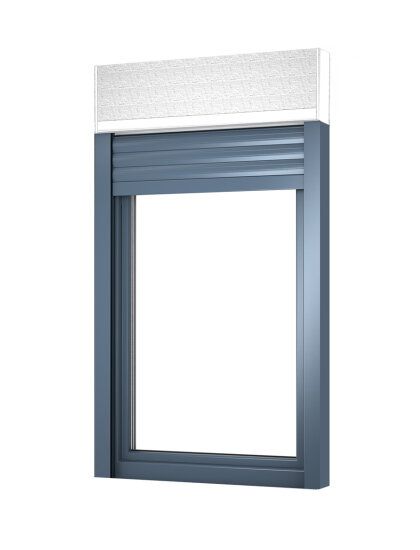

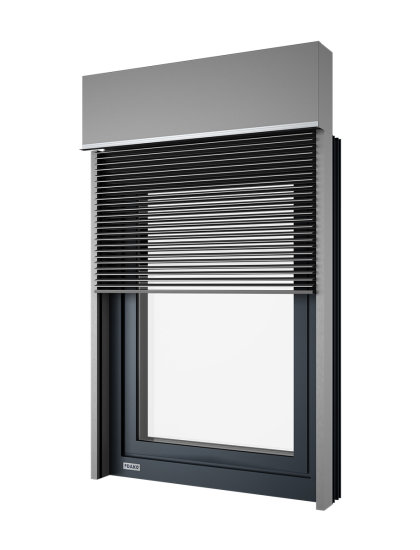
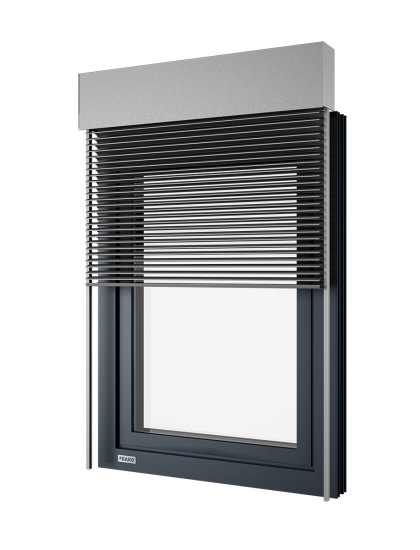



Glass doesn’t forgive mistakes. It’s a versatile and fashionable material in architecture, but unfortunately, it's also vulnerable to impact, significant temperature changes, and mechanical damage. Unlike metals or wood, it doesn’t deform gradually — once its strength limit is exceeded, it breaks instantly.
Why is it so important to take care of window panes?
Although the sodium-calcium glass used in window frames meets high quality standards, its service life largely depends on how we take care of our windows – especially in the summer.
- At high temperatures or under intense sunlight, glass becomes particularly sensitive to uncontrolled heating, which can occur, for example, when part of its surface is shaded.
- Standard, non-tempered window glass may crack when the temperature difference across a single pane exceeds approximately 40°C. In practice, this means that if a sunlit part of the glass reaches 60°C, while a section hidden in the window frame remains below 20°C, stress can develop that may lead to damage.
- When prolonged exposure to extreme temperatures causes internal, invisible damage, this can eventually manifest as a thermal crack in the pane.
Unfortunately, if we cause damage ourselves (even indirectly), the manufacturer may refuse to accept the product under warranty.
The most common mistakes that cause glass to crack in windows
As mentioned above, the heating of the glass itself does not pose a threat – the problem arises when the glazing in our window does not heat evenly across its entire surface.
What should we avoid in such cases? Here are some common mistakes often made unknowingly by homeowners:
- Incomplete covering of the glass surface
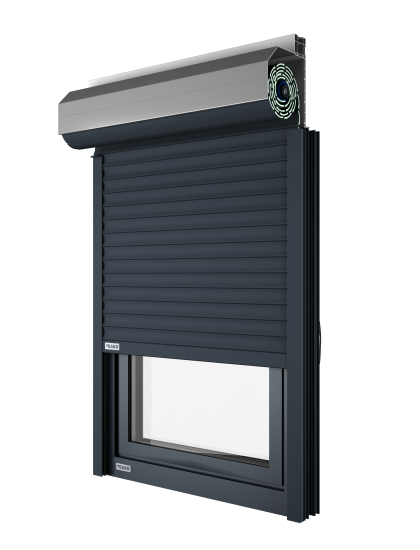
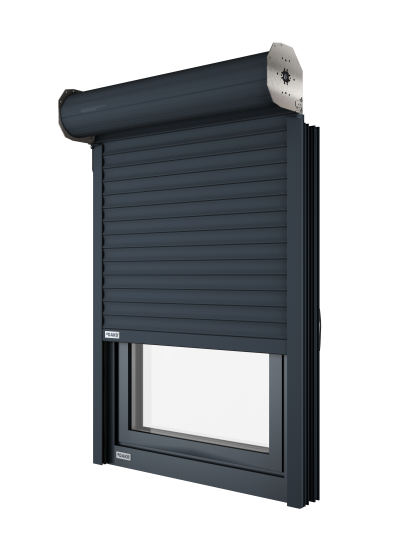
Half-closed roller blinds, shutters, tarpaulins or films used to darken rooms (e.g. dark UV screens for bedrooms) are a sure-fire way to cause dangerous stresses and thermal cracks, which usually appear at the edges or around the frames. - Objects near windows and lack of ventilation
Large plant pots, garden furniture and advertising banners placed near windows can cause significant localised temperature differences. In summer, on a windless day, the risk of glass damage increases rapidly. - Contact with chemicals
The glass in our windows should only be cleaned with soft, clean cloths (e.g. microfibre) and mild cleaning agents. Contact with solvents, paints or alkaline preparations can permanently damage the surface of the glass or the edge seal of the unit. Especially during renovations, remember to immediately wash off any contaminants from the glass, such as adhesives or mortar.
Good practices worth learning about
In order for windows to serve us without problems for many years, it is worth remembering a few basic rules.
First of all, avoid partially covering the windows, and lower the blinds or shutters evenly on sunny days so that the entire pane is exposed to similar lighting conditions.
It is not recommended to apply protective, ‘thermal’ or darkening films on your own without consulting the manufacturer, as they increase heat absorption and lead to overheating of the glass. It is also important to maintain a distance between the glass and materials such as curtains or drapes.
Additionally, especially in summer, we recommend ensuring air circulation in rooms with large windows. Do not place objects in front of the windows that could partially shade them, such as wide furniture, cardboard boxes or large flowers.