
loading

How energy-efficient windows and doors can transform your home's performance?

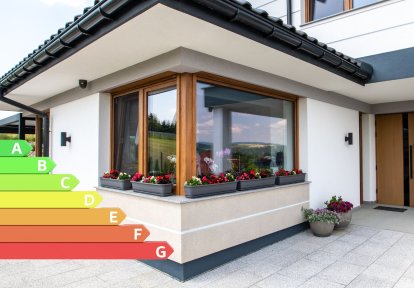
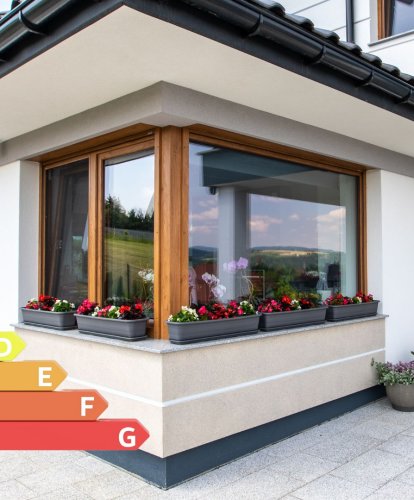
Windows and doors play a fundamental role in the overall performance of your home, particularly when it comes to energy efficiency. In the varied climates of the UK and Ireland, where weather conditions can change rapidly, having energy-efficient windows and doors can significantly improve comfort while reducing energy consumption. These features help regulate indoor temperatures by minimising heat loss in the winter and reducing heat gain during the summer. As a result, your home remains comfortable year-round, and your energy bills are more manageable.

Benefits of energy-efficient windows

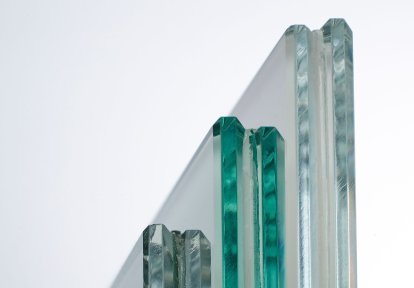
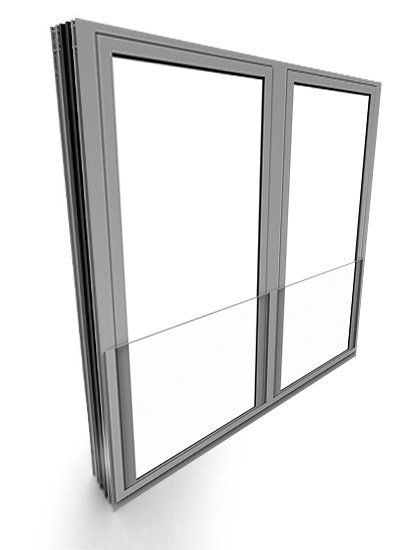
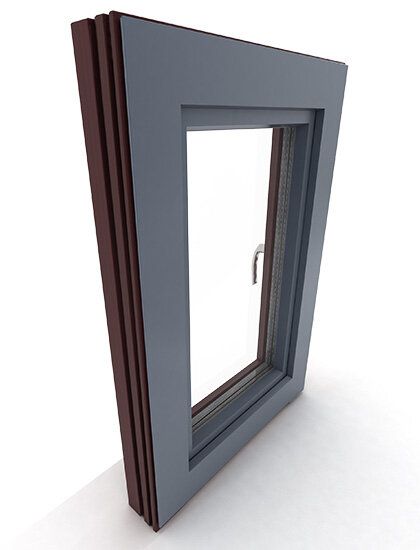
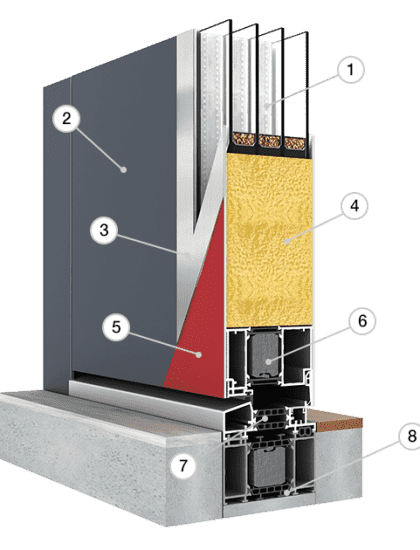
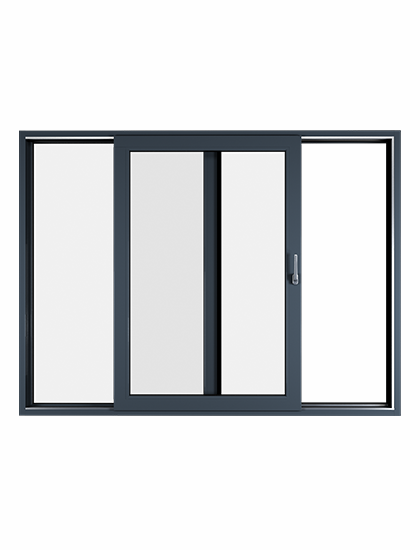
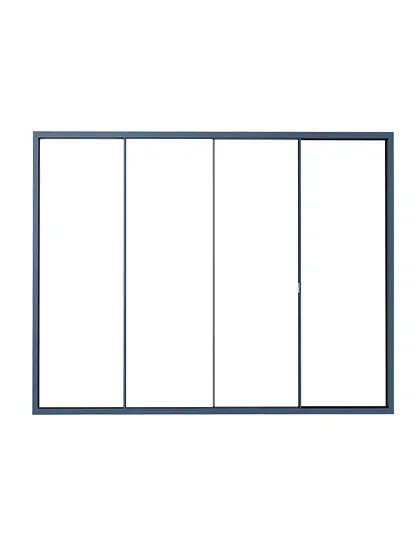
Energy-efficient windows are designed to reduce the transfer of heat between the inside and outside of your home. They achieve this through advanced technologies such as double or triple glazing, low-emissivity (Low-E) coatings, and gas-filled spaces between panes. These features work together to keep warm air inside during colder months and reflect heat away during the summer. By improving thermal insulation, energy-efficient windows help maintain a stable indoor climate, reduce reliance on heating and cooling systems, and lower your carbon footprint. Additionally, they can enhance natural light while reducing glare, contributing to a brighter, more pleasant living environment.

Advantages of energy-efficient doors

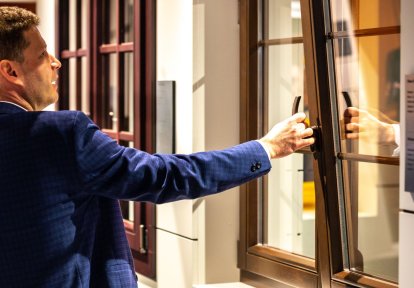
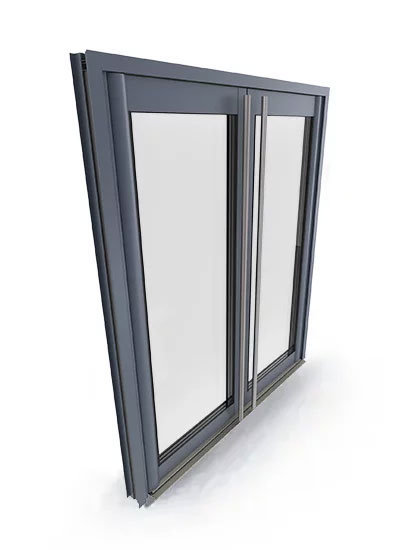
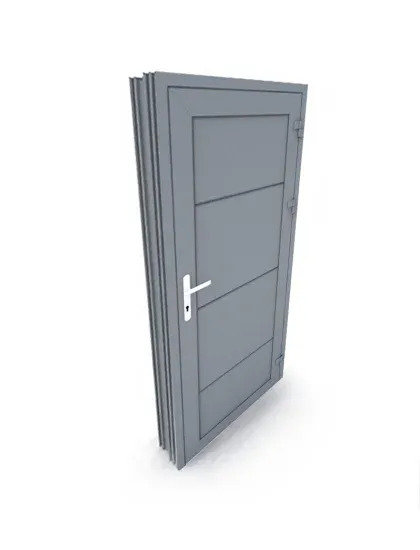
Just like windows, energy-efficient doors play a crucial role in maintaining your home's thermal performance. They are constructed with insulating materials and weatherproof seals that prevent drafts and energy leaks. High-quality energy-efficient doors reduce heat transfer, making your home warmer in winter and cooler in summer. This improved insulation not only increases comfort but also reduces energy costs. Moreover, energy-efficient doors often come with enhanced security features, providing peace of mind while contributing to a quieter indoor environment by reducing external noise.

How energy efficiency impacts home comfort

Energy-efficient windows and doors do more than just save money on energy bills; they create a healthier and more comfortable living space. By eliminating cold drafts and minimising temperature fluctuations, they help maintain consistent indoor temperatures. This is particularly beneficial in homes across the UK and Ireland, where weather conditions can shift quickly. Improved insulation also helps control humidity levels, reducing the risk of condensation, mould, and dampness. Furthermore, the reduction in external noise makes your home a more peaceful and relaxing place to live.

Environmental and financial benefits

Investing in energy-efficient windows and doors is not only good for your home but also for the environment. By reducing the amount of energy needed to heat and cool your home, you decrease greenhouse gas emissions, contributing to a more sustainable future. Additionally, the financial benefits are significant. Lower energy consumption translates to reduced utility bills, and many energy-efficient products qualify for government incentives or grants in the UK and Ireland. Over time, the cost savings on energy bills can offset the initial investment, making it a smart financial decision for homeowners.

Learn more about grands from our article: How to get UK government grants for window replacement?


Enhancing home value with energy-efficient upgrades

Installing energy-efficient windows and doors can significantly increase the value of your property. Prospective buyers are often attracted to homes with modern, energy-saving features due to the promise of lower energy bills and improved comfort. In the competitive property markets of the UK and Ireland, energy efficiency ratings can influence a buyer's decision, making your home more appealing. Beyond financial value, energy-efficient upgrades demonstrate a commitment to sustainability, a factor increasingly important to environmentally conscious buyers. By enhancing both performance and aesthetic appeal, energy-efficient windows and doors are a worthwhile investment for any home.

Share with friends
Add your comment
Swipe right to send

You may also be interested in:

Advice & Tips
What’s the difference between toughened and laminated glass?

The front door is more than an entrance—it defines comfort, efficiency, and character in a home renovation. Discover how upgrading an old entrance with a modern, insulated door can reduce heat loss, enhance security, support planning requirements, and bring a cohesive, welcoming identity to renovated homes in the UK and Ireland.

Advice & Tips
How can architects benefit from working with a full-range window and door manufacturer?

Working with a single manufacturer gives home architects greater freedom, efficiency, and design control. DAKO’s complete range of windows and doors supports bespoke residential projects with high performance, refined aesthetics, and regulatory compliance. See how tailored solutions help architects turn ideas into functional, future-ready homes.

Advice & Tips
Listed buildings – can you change window and door joinery?

When dealing with a listed building, every change — even seemingly minor ones like replacing windows or doors — requires careful consideration and formal permission. For property owners, architects, and contractors, the question of whether they can carry out a listed building window replacement or a listed building door replacement is more than an aesthetic issue; it’s a matter of compliance with legal and architectural standards designed to protect our shared heritage.

Advice & Tips
How window and door fitters can benefit from working with a single supplier

For professional installers, choosing a single, trusted supplier means more than convenience—it’s about quality, efficiency, and long-term value. DAKO offers a full range of UPVC windows and doors with consistent standards, fast logistics, and expert support. From energy efficiency to custom finishes, their solutions help fitters streamline projects, satisfy clients, and grow their business.

Advice & Tips
Professional vs DIY: who should handle fitting a window in your home?

Fitting a window is more than a DIY task — it requires precision, the right tools, and knowledge of insulation, sealing, and building standards. Poor installation risks air leaks, condensation, or structural damage. This guide explains critical steps, common mistakes, and when it’s best to rely on professional installers for secure, efficient, and long-lasting results.

Advice & Tips
5 Reasons to choose a joinery manufacturer for your next project

Choosing a trusted joinery manufacturer for your next project can significantly impact the quality, appearance, and long-term value of your investment. Whether you’re restoring a listed building, upgrading timber windows, or sourcing made-to-measure external doors, working with a skilled manufacturer ensures the highest standard of workmanship and a tailored approach. For homeowners and businesses in the UK and Ireland, companies like DAKO offer bespoke joinery products that combine craftsmanship, durability, and energy efficient performance. Here are five strong reasons to work with a joinery manufacturer for your upcoming project

Cookie Preferences
Dear guests, our website uses cookies. You can specify the conditions for storing or accessing cookies in the settings.
Cookie Preferences
Use of cookies

Dear guests, our website uses cookies. You can specify the conditions for storing or accessing cookies. For more information on cookies and other sensitive data, please see our Privacy Policy and GDPR.

More information

If you have any questions about our cookie policy, please do not hesitate to contact us.