








How building regulations apply to window replacement?
Under UK and Irish building regulations, replacing windows is classed as a “controlled fitting.” That means the work must meet specific standards for safety, insulation, ventilation, and water tightness. However, not every installation requires direct involvement from building control.
In most cases, you do not need to arrange a building inspection yourself — provided your installer is registered under a Competent Person Scheme such as FENSA or CERTASS. These schemes are officially recognised by building control bodies and allow approved companies to self-certify compliance with building regulations.
After installation, you’ll receive a certificate of compliance, confirming that your new windows meet all applicable building regulations approval requirements. This certificate also acts as your completion certificate and will be accepted by your local authority, mortgage lenders, and solicitors when you come to sell your property.
When do you need to notify building control?
If your windows are installed by someone who is not registered with a Competent Person Scheme — or you choose to carry out the work yourself — then you must notify building control before commencing work.
In such cases, you can apply through either a building notice or a full plans submission. A building notice is generally faster, but it requires site inspections by a building control inspector during and after installation. The inspector will check that the windows are structurally secure, properly sealed, and compliant with building regulations relating to insulation, ventilation, and damp proof protection.
Once the final inspection and completion inspection confirm that the work complies, your local authority will issue a completion certificate.
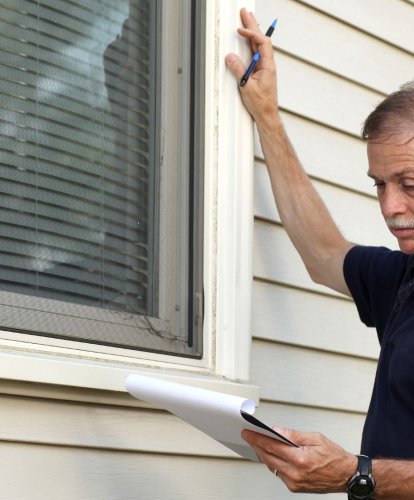
What building inspectors check during window replacement?
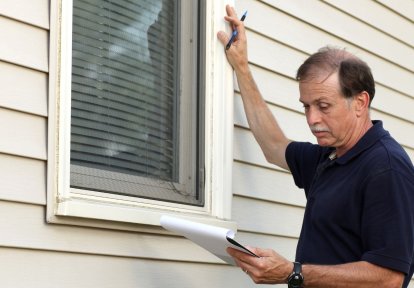
When a building inspector visits your site, the inspection focuses on key critical elements directly linked to the window installation. These include:
- Correct positioning of the frame and secure fixing to the structure
- Compliance of insulation with current building regulations
- Proper use of damp proof membranes or sealants to ensure damp proof protection
- Adequate ventilation in habitable rooms
- Safe glazing thickness and safety glass in critical areas
- Appropriate drainage around the frame to prevent surface or water tightness issues
If these features are correctly installed, the inspection will pass without issue, and a completion certificate will follow shortly after the final inspection — usually within five days, Monday to Friday, excluding public holidays.
The role of building control bodies
Building control bodies include both local authority departments and private inspectors approved by the government. Their job is to make sure all building work meets building regulations and that projects are inspected as necessary.
For window replacements, building control only becomes directly involved when the installer cannot self-certify the work. Even then, the process is relatively simple — the building control team will arrange one or two site inspections to confirm compliance before issuing your completion certificate.
If you have questions about documentation, your business support team or local authority can provide guidance on submitting a building notice, scheduling site inspections, and obtaining control approval if required.
The importance of a completion certificate
Whether your new windows are certified through a Competent Person Scheme or approved by building control, you must keep your completion certificate safe. This document is essential proof that your installation meets building regulations approval and provides reassurance to future buyers that the work complies fully with UK or Irish standards.
If you later decide to sell your property and cannot present this certificate, your solicitor may request a retrospective application to building control — which could delay completion of the sale and add unnecessary costs.
Damp proofing and insulation checks
A significant aspect of building regulations for window replacement relates to damp proof and insulation measures. During site inspections, the building control inspector ensures that any damp proof course or damp proof membrane around the frames has been installed correctly. These materials prevent condensation, surface water penetration, and internal damage.
Failure to achieve proper damp proof sealing may result in the work not meeting building regulations, requiring additional inspections or remedial action before a completion certificate can be issued.
What happens if you don’t comply?
Carrying out building work such as replacing windows without notifying building control (where required) or obtaining the correct certification can cause serious problems. The local authority may require you to open up the installation for inspection or carry out remedial work. In rare cases, enforcement through a magistrates court is possible if the work fails to meet building regulations.
Ensuring proper compliance from the start — either through a registered building inspector or a Competent Person Scheme — saves time, stress, and cost.
Why choose certified installers?
Working with a registered building company or installer from a Competent Person Scheme guarantees that your project will be inspected and certified automatically. The person carrying out the installation assumes responsibility for ensuring the work complies with building regulations, meaning you won’t have to schedule separate building control inspections yourself.
After completion, you’ll receive your certificate — the official record confirming your windows installation meets all required building regulations standards.
Ensuring compliance and peace of mind
Replacing windows is usually a simple building project, and in most cases, you can avoid dealing directly with building control if your installer is properly registered. Still, it’s essential to keep every certificate, note the date of installation, and confirm that the work is registered with your local authority.
At DAKO, our high-quality windows are designed to meet or exceed UK and Irish building regulations, giving homeowners complete confidence that their investment not only enhances the property’s appearance but also meets every legal and technical standard — without unnecessary inspections.