








Energy efficiency in renovated homes: why it matters
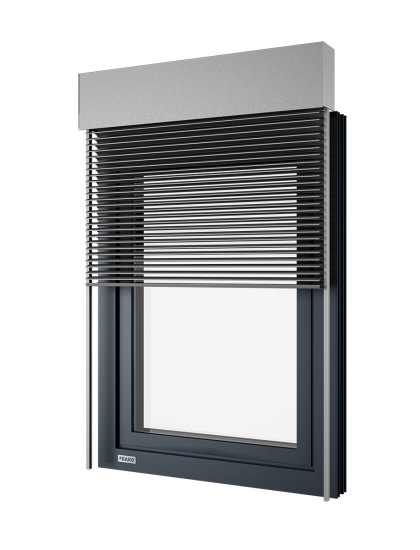
The UK’s varied climate — from damp coastal regions to windy uplands — demands a considered approach to energy-saving measures. In older properties, original windows are often single-glazed and poorly sealed, making them one of the biggest culprits in terms of energy loss. By incorporating thermally efficient windows during your house renovation, you immediately reduce the need for excessive heating. These modern window systems are designed to retain heat during winter and reflect solar radiation during summer, creating a consistent indoor climate year-round.
As part of a larger renovation budget, upgrading your windows might seem like a significant expense upfront. However, it’s an investment that pays back through reduced energy consumption, lower heating bills, and long-term property value enhancement. For homeowners aiming to save money on recurring costs and future-proof their homes, prioritising windows is an essential part of the planning permission process.
Planning permission and the Party Wall Act: what to know before replacing windows
Before diving into any window replacement, homeowners should understand local rules and regulations. In the UK, planning permission is usually not required for changing windows, especially if you're replacing them with similar designs. However, in conservation areas or listed buildings, special permissions are often necessary. The planning permission process can vary by local council, so checking ahead is critical.
Moreover, if your home is a terraced house or shares walls with neighbours, the Party Wall Act may apply. This legislation governs how changes that affect shared or adjoining walls, floors, and structures are carried out. If your renovation work involves enlarging window openings or making structural alterations near a shared boundary, notifying your neighbours and adhering to the Party Wall Act becomes a legal obligation. Understanding these rules from the outset helps you begin your project on solid legal ground and avoid costly delays.

Integrating window replacement in your renovation budget
One of the biggest challenges homeowners face is allocating their renovation budget efficiently. Replacing windows may not seem as exciting as redoing the dining room or updating a kitchen, but the costs involved in skipping this upgrade can be considerable in the long run. Poorly sealed windows lead to structural issues, water ingress, and rising utility bills.
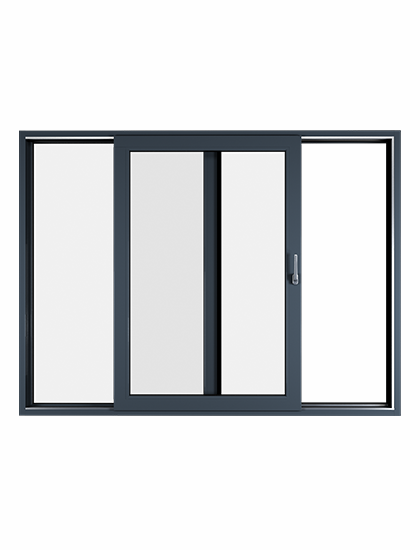
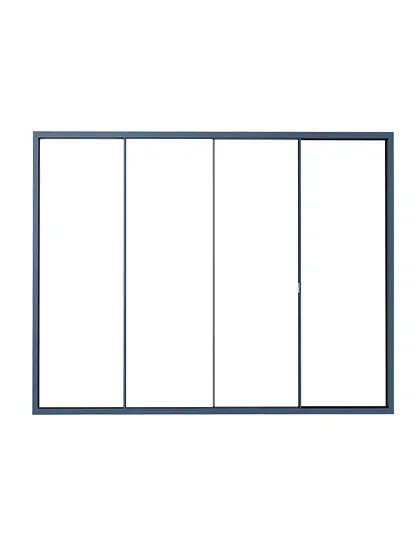
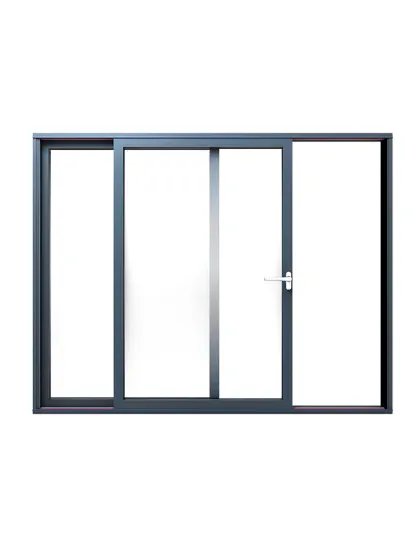
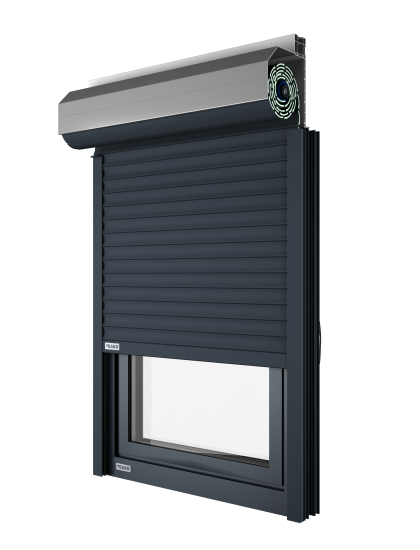
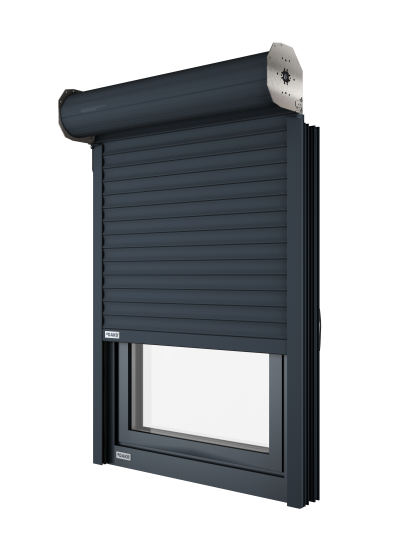
A well-planned home renovation budget should always include a line for high-quality, energy-rated window installations. Thanks to a growing market, homeowners can choose windows that match their interior design preferences without compromising performance. For more on available styles and technical features, visit our dedicated Window section, where you’ll also find a detailed guide on how to choose windows that suit your home type and climate zone.
Maximising your budget: step-by-step guide to renovation planning
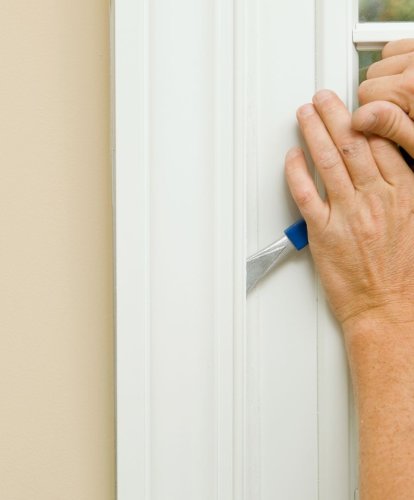
A step by step guide to your renovation project allows you to optimise both your timeline and your budget. Start with a clear idea of what you want to achieve. Consider how you want the space to feel, what materials you'll need, and how different upgrades — such as windows — will influence the rest of the building work. Commissioning a building survey early on can reveal hidden structural issues that affect your window openings. If needed, consult an architect or structural engineer before removing an old window or enlarging apertures. Once you've got the technical green light, check whether your plans involve the Party Wall Act and apply for any necessary planning permissions.
Coordinate with window specialists during the early stages of the self build process to ensure frames and apertures are properly aligned. Schedule window installation during the first fix stage to avoid unnecessary rework later. Then complete tasks like new flooring, plastering, and painting for a seamless finish. Following this path ensures fewer surprises and maximises the return on your renovation investment.
Natural light and period features: a balanced approach
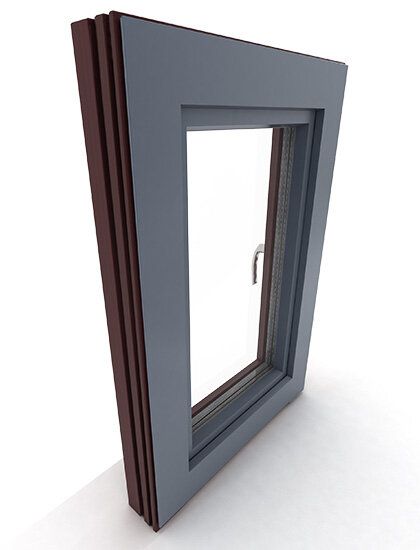
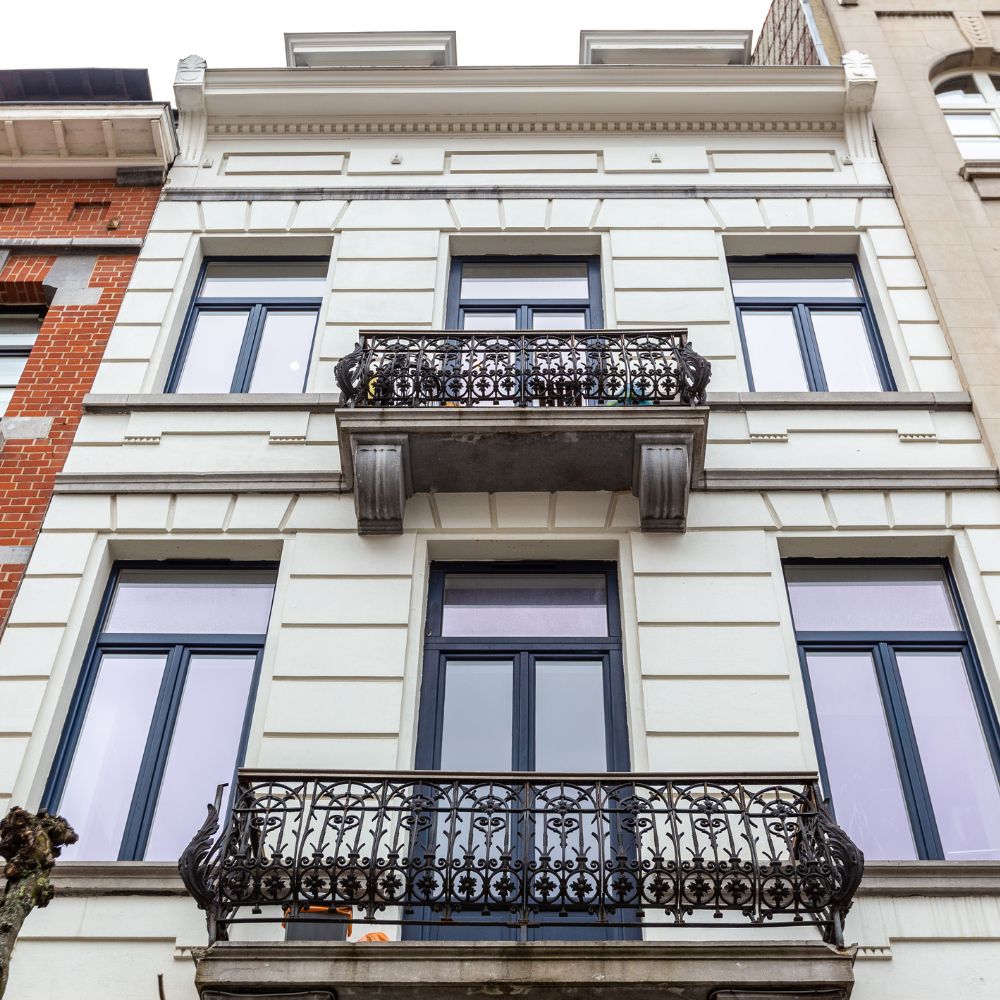
One of the most prized elements in any house renovation is natural light. Opening up your dining room or creating expansive views in a loft conversion can transform a dark, tired house into a bright, welcoming home. But preserving a property’s period features while doing so requires a thoughtful approach. Choosing thermally efficient windows that replicate traditional sash or casement styles allows homeowners to stay true to a home's history while gaining the benefits of modern insulation.
Specialist manufacturers now offer timber-aluminium hybrids and slimline glazing bars that replicate traditional looks while meeting today’s energy efficiency standards. These designs are ideal for those undertaking a renovation project in historic or protected buildings.
Why loft conversions are the perfect moment for window upgrades
A loft conversion is not just a way to add space — it’s an opportunity to dramatically increase light, ventilation, and thermal performance. During this type of building work, new window placements become necessary. Replacing or adding skylights and vertical glazing provides fresh air and daylight, but it also presents the perfect chance to upgrade the rest of the house’s glazing.
Integrating thermally efficient windows throughout the home during the loft conversion avoids mismatched styles or performance issues. A unified approach ensures that the whole house benefits from consistent aesthetics and temperature control. This kind of future-focused project management reduces the need for additional work down the line and simplifies coordination between trades like builders, interior designers, and glaziers.
Interior design meets smart renovation choices
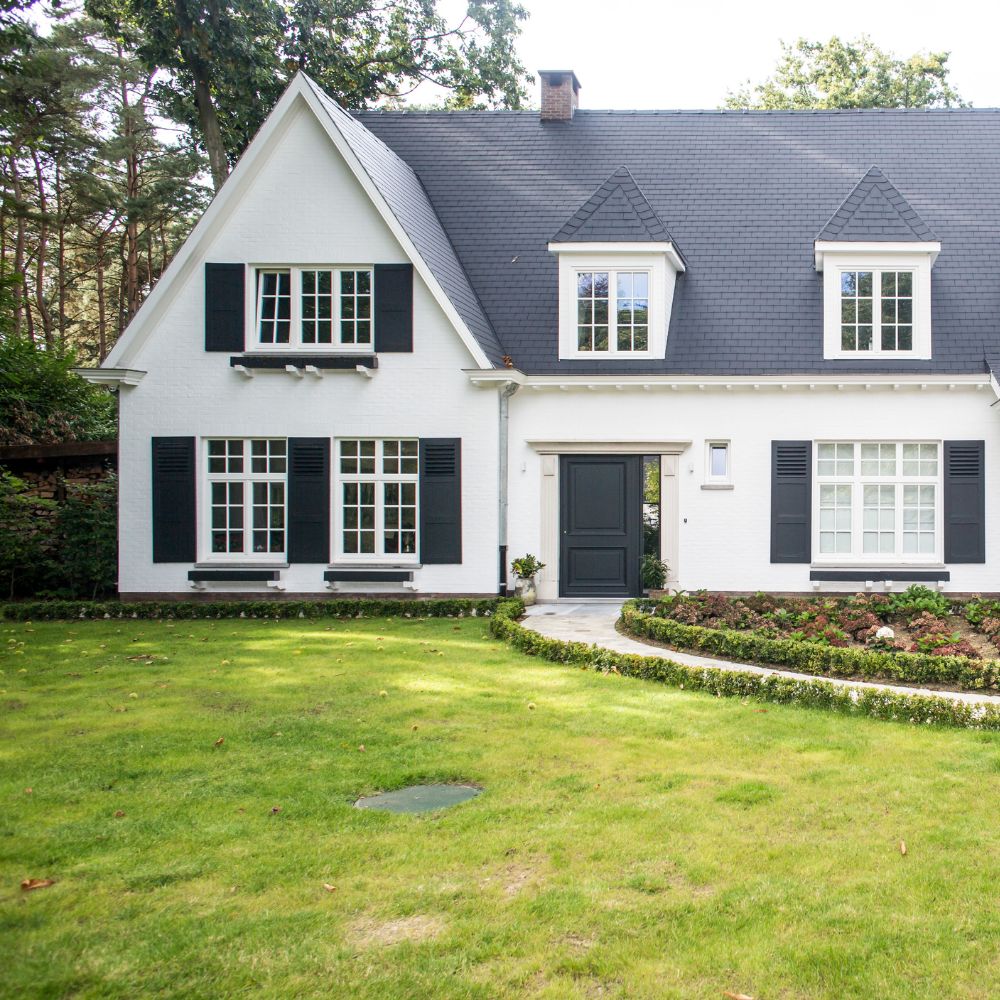
Today’s homeowners increasingly merge interior design with structural upgrades. Instead of treating aesthetics and function as separate concerns, modern renovation projects combine both to excellent effect. Windows are a focal point in this process — not just an architectural necessity, but a design feature in themselves. Whether you're framing a view in the dining room or enhancing a loft-style bedroom, the windows you install should harmonise with your new flooring, wall finishes, and lighting choices.
Engaging with an interior designer at an early stage of your home renovation enables the creation of tailored spaces where style supports comfort and performance. Whether you're going for a minimal, Scandinavian-inspired theme or reinstating Edwardian elegance, windows play a key role.
Upgrading doors and windows for maximum impact
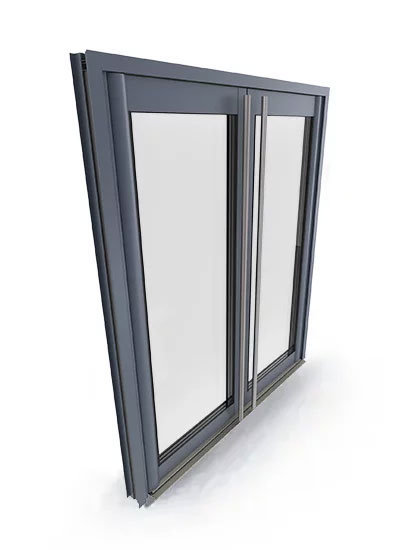
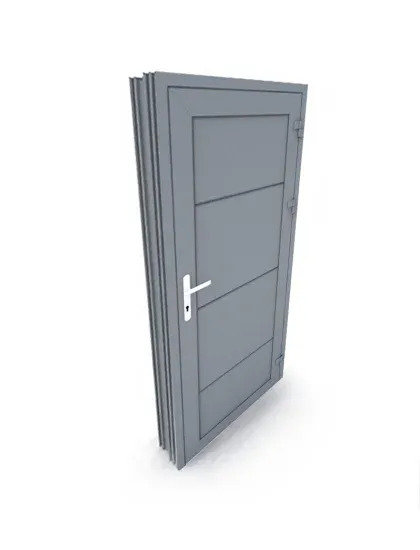
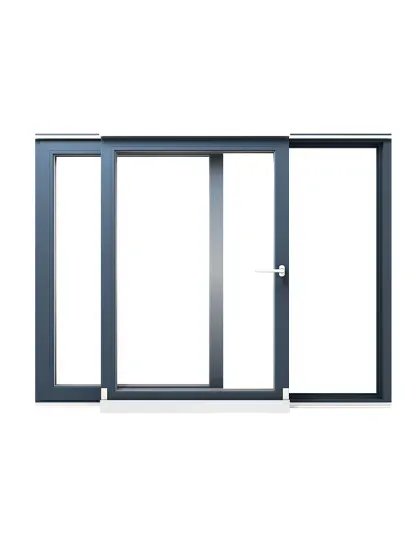
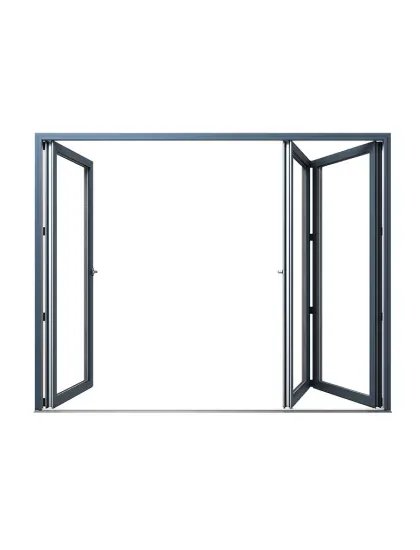
While this article focuses on window upgrades, it's essential not to overlook the importance of doors during a renovation. Front entrances, patio doors, and balcony access points all influence insulation and energy efficiency. Coordinating the installation of both windows and doors ensures alignment in terms of thermal rating, material compatibility, and aesthetic consistency. Upgrading both at the same time can also save money on labour and prevent compatibility issues between old frames and new walls.
Modern entrance doors offer enhanced security, noise reduction, and insulation, mirroring the benefits of high-performance glazing. By upgrading both elements together, homeowners benefit from a cohesive approach that transforms the property inside and out.
Adding lasting value with energy-efficient upgrades
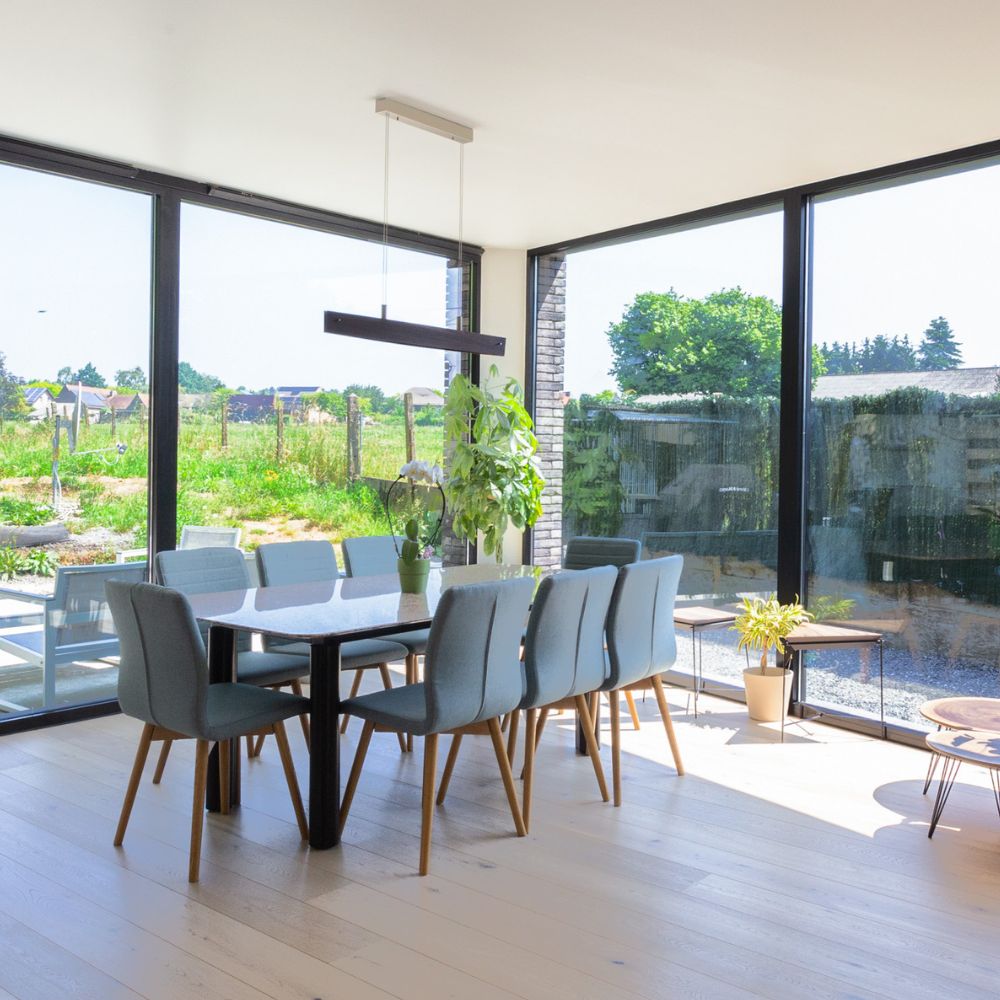
A successful house renovation should not only address cosmetic issues but also modernise the home’s infrastructure. Fitting thermally efficient windows during this process is one of the most effective ways to add long-term value. These improvements affect everything from heating bills to visual appeal, all while complying with planning requirements and regulations like the Party Wall Act.
Whether you’re planning a full self build, a loft conversion, or simply updating a dining room, integrating the right window strategy from the outset helps ensure lasting comfort and performance. With a wide selection of models available in various styles, configurations, and thermal ratings, it’s easier than ever to choose windows that meet your unique needs.
Energy efficiency meets safety: DAKO’s solutions for modern renovations
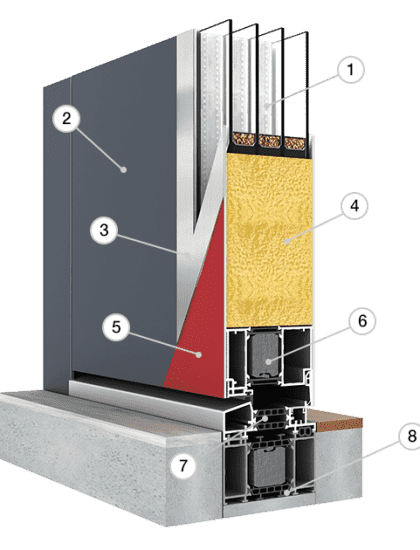
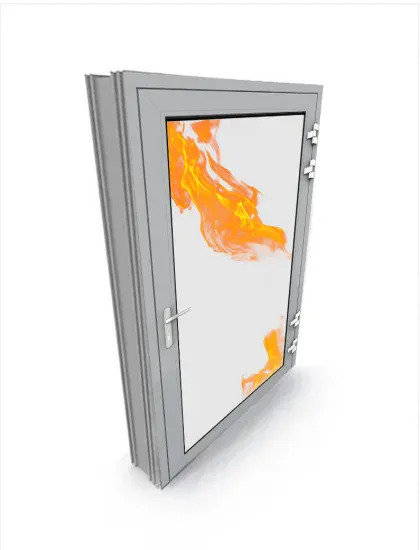
For homeowners and developers seeking compliant, high-quality solutions tailored to various applications, DAKO offers a wide range of products designed to meet the highest performance and safety standards. Among them are energy-efficient windows that align with modern thermal regulations, as well as fire doors that provide critical protection for both residential and commercial buildings.
DAKO’s fire doors are rigorously tested to meet stringent European fire resistance norms, offering advanced safety without compromising on design. Whether you're renovating a single-family home, upgrading an apartment block, or working on a mixed-use development, DAKO’s product portfolio allows for seamless integration of aesthetic appeal, thermal performance, and essential fire protection. Choosing a trusted supplier like DAKO ensures that your renovation project not only looks exceptional but also meets today’s expectations for comfort, sustainability, and safety.