








Understanding window lifespan
The window lifespan depends largely on material quality, maintenance, and exposure to the elements. On average, windows last between 20 and 35 years, but this can vary. uPVC windows are known for their longevity and low maintenance, making them one of the most popular choices among homeowners in the UK and Ireland. High-quality double glazing and properly sealed window frames protect against condensation, excess moisture, and UV rays, all of which can shorten the life of a window.
Proper care and regular cleaning are key factors influencing how long windows can last. Even energy efficient windows will lose performance over time if seals degrade or the frame material becomes damaged by extreme temperatures. Well-installed, high quality windows designed with durable aluminium frames or timber window frames can significantly extend overall lifespan and maintain comfort and style.
uPVC Windows – the long-lasting and low maintenance choice
Among all types of modern windows, uPVC windows stand out for their outstanding balance between durability, thermal performance, and cost-effectiveness. Unlike wood windows or timber windows, they require minimal upkeep – a simple wipe with warm water and a soft cloth is usually enough to remove dirt and restore their sleek appearance.
These maintenance-free windows resist excess moisture and prevent condensation build-up, making them ideal for homes exposed to changing weather conditions. With proper care, uPVC windows can remain energy efficient and functional for decades, often exceeding 25 years before any replacement becomes necessary. Their double glazing structure, with two panes of glass separated by insulating gas, helps minimise energy bills and provides protection from outside noise – key benefits for urban or coastal areas.

Double glazed windows and the importance of double glazing
Modern double glazed windows are the cornerstone of today’s energy efficient homes. The two panes of glass, sealed with insulating gas, form a thermal barrier that prevents heat from escaping in winter and keeps interiors cool in summer. Proper double glazing can reduce rising energy bills, enhance home’s energy efficiency, and prevent condensation on colder surfaces.
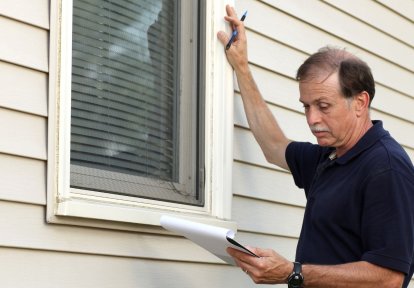
However, even double glazing is not indestructible. Over time, window seals can deteriorate, resulting in foggy glass panes or reduced insulation performance. Regular inspection of hinges, frames, and seals ensures that windows function efficiently for their full lifespan. If deterioration becomes visible, or if condensation appears between panes, it’s time to consider replacement windows to restore full performance.
Wooden windows – natural aesthetics and warmth
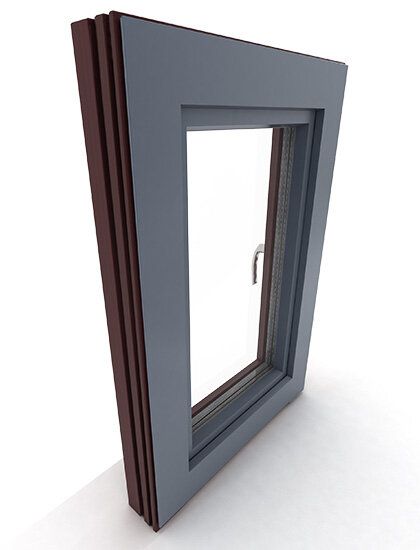
Wooden windows and timber windows add a timeless charm and warmth that many homeowners still value today. With proper regular maintenance, they can be highly durable and remain an attractive architectural feature. However, wooden frames are more susceptible to excess moisture and UV rays, which can cause warping or discolouration over time.
Using high-quality timber and protective coatings helps maintain their durability. Homeowners should look out for visible damage, peeling paint, or condensation on the window sash, as these may indicate that repair or replacing the entire window is needed. Well-maintained timber windows can last for decades and often outperform older single glazing systems, offering both comfort and sustainability.

When and why to replace windows
Knowing when to replace windows is crucial to maintain the safety, comfort, and efficiency of a home. Common signs that replacement windows are needed include noticeable condensation between glass panes, difficulty opening or closing sashes, and draughts caused by worn seals or frames. Damaged hinges or warped window frames can also compromise insulation.
Many homeowners delay replacing old units because they worry about cost, but modern double glazed windows and uPVC windows are surprisingly cost effective in the long run. They reduce energy bills, minimise maintenance needs, and boost property value. Choosing energy efficient windows from a trusted manufacturer such as DAKO ensures that every installation meets the highest quality standards and regulatory expectations.
The role of energy efficiency in window lifespan
A window’s energy efficiency is a reliable indicator of its performance and durability. High-quality double glazing, properly sealed frames, and durable materials like aluminium windows or vinyl windows prevent heat loss and ensure comfort in all seasons. When windows last longer, homeowners benefit from a stable indoor climate and lower energy consumption.
Maintaining energy efficient performance also depends on environmental factors such as weather conditions, humidity, and temperature changes. Regular maintenance – such as cleaning seals, lubricating hinges, and checking for condensation – helps preserve long lasting windows that continue to function efficiently over decades.
Regular cleaning and proper care extend window lifespan
While modern windows are designed for durability, regular cleaning and proper care are essential to ensure they last as long as possible. Dust, dirt, and excess moisture can reduce window lifespan if ignored. Cleaning with soapy water, warm water, and a soft cloth helps protect the glass, frame, and seals.
Ventilation also plays a role in maintaining healthy interiors and preventing condensation. Using extractor fans in kitchens and bathrooms can help regulate humidity and extend the durability of both uPVC and wood windows. By following a few simple maintenance steps, homeowners can prevent early wear, protect the investment, and maintain the pristine look and performance of their high quality windows.

The durability of modern materials
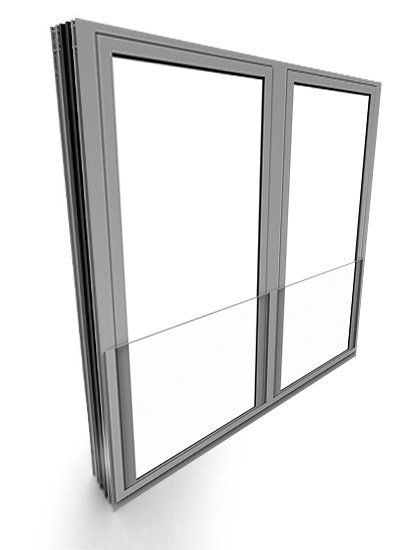
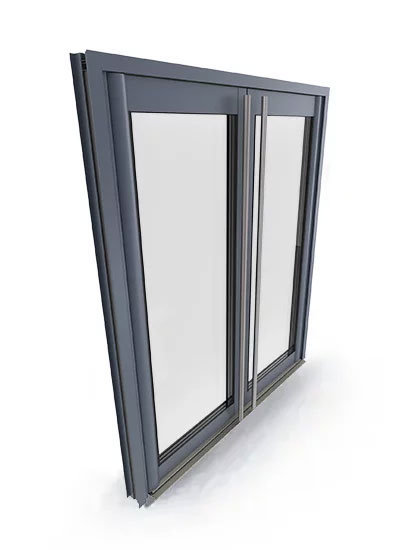
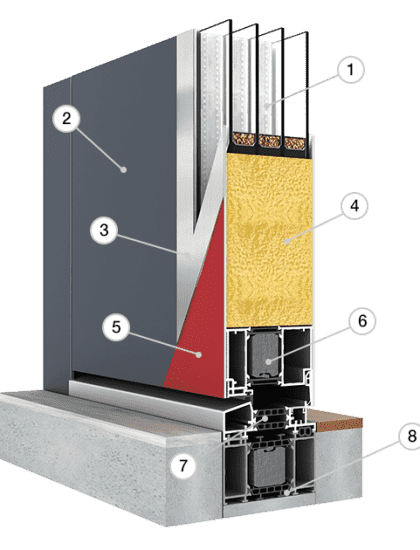
The material of a window frame determines not only how long windows can last but also their maintenance needs and appearance. Aluminium frames are known for strength and resilience, resisting corrosion and deformation even under extreme temperatures. uPVC offers the advantage of being low maintenance, while timber provides natural beauty and warmth for traditional homes.
Each material comes with unique benefits, and DAKO’s range of windows allows homeowners to select styles that match both architectural design and performance requirements. Regardless of choice, proper installation by experienced professionals ensures that every window reaches its full lifespan, remains energy efficient, and continues to enhance the comfort and value of the house.
How long do windows last and what affects their lifespan
The average lifespan of windows depends primarily on the material, maintenance, and environmental conditions. With durable DAKO windows, homeowners can expect decades of reliable performance, energy efficiency, and timeless design. By investing in high-quality, low-maintenance, and energy-efficient windows, it is possible to reduce energy bills, enhance comfort, and enjoy lasting peace of mind.
In practical terms, properly maintained uPVC and aluminium windows can last 25–35 years, while well-cared-for timber windows often endure even longer. Key factors influencing window longevity include the quality of materials, regular upkeep, exposure to weather, and correct installation. Whether you choose elegant wooden windows, versatile uPVC windows, or modern double-glazed windows, the key to their long-lasting performance lies in attentive care and consistent maintenance – ensuring your windows serve exactly as long as they were designed to.