








FENSA certificate for window installations
A FENSA certificate is an official document issued after a window replacement by a FENSA-registered installer. This certificate confirms that the installation complies with UK building regulations and meets a high standard for safety and energy efficiency. Homeowners frequently ask if I need a FENSA certificate for external windows or roof windows, and the answer depends on whether the installer is FENSA-approved. FENSA monitors building regulation compliance and maintains a searchable online database, allowing homeowners and local council representatives to verify the certificate. The certificate serves as proof that replacement windows were installed correctly and that energy efficient products have been used, contributing to lower energy costs and higher property value.
How to get a FENSA certificate after window replacement
To get a FENSA certificate, it is essential to hire a FENSA-registered installer. Once the window installation is complete, the installer submits all project details online to FENSA, which then issues the certificate. Homeowners can also contact FENSA directly to verify the FENSA registration number and confirm that the installation is fully documented. The certificate demonstrates compliance with building regulations and can be used during property transactions or inspections. Many installation companies offer the option to pay online and confirm the certificate with FENSA, ensuring that all legal requirements are met. Obtaining the certificate is critical for demonstrating compliance to the local council and confirming that any roof windows, porches, or conservatories are properly recorded.
The role of an approved installer in FENSA compliance
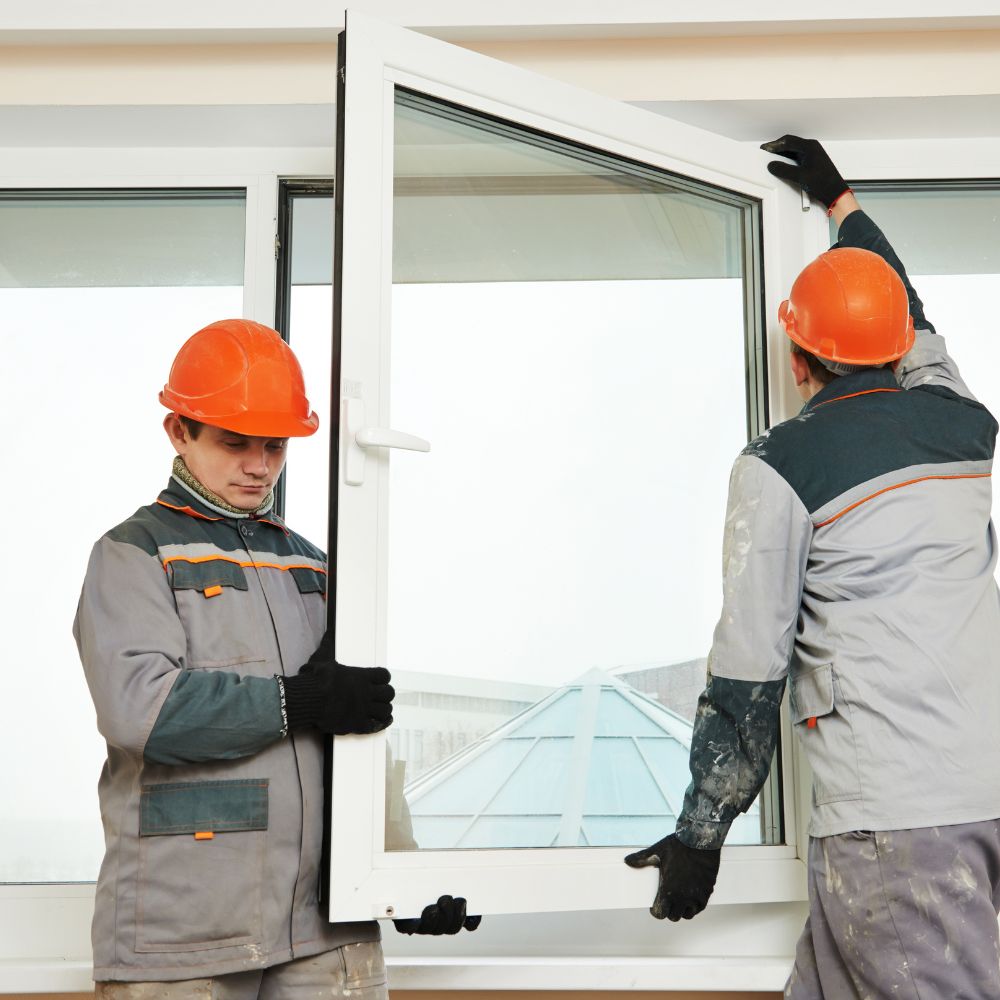
A FENSA-approved installer is responsible for carrying out the window installation in accordance with relevant building regulations, using energy efficient products, and ensuring that the installation company maintains accurate records. The installer assigns a FENSA registration number, registers the work online, and guarantees that all external windows, roof windows, and roof lights meet the required standards. This responsibility extends to ongoing repairs or replacements, ensuring that the property remains compliant and safe.
FENSA certification and building control
Building control authorities in the UK oversee compliance with building regulations. A FENSA certificate provides verified evidence that the window installation has been carried out by a registered approved installer and meets all relevant building regulations. The certificate ensures the use of energy efficient products and confirms that all external windows, roof windows, and roof lights comply with safety and efficiency standards. If future inspections or renovations occur, the certificate serves as legal proof of correct installation. For commercial properties or larger projects, it may also serve as a replacement certificate.
Certass certificate for window installations
Certass is an independent, government-authorised scheme that allows approved installers to certify that their window installations comply with all building regulations. While separate from FENSA, a Certass certificate provides equivalent legal recognition, demonstrating compliance for external windows, replacement windows, and roof windows. Homeowners who choose a Certass-approved installer do not need an additional FENSA certificate, as the Certass certificate is equally valid for building control inspections and future property selling purposes. Both FENSA and Certass ensure that the installation company is accountable for the installation, guaranteeing high standards and safety.
Choosing the right installation company
Selecting the correct installation company is crucial for ensuring that a window replacement meets the required standards. Only an approved installer registered with FENSA or Certass can issue a legally recognised certificate. A reputable installation company ensures that all replacement windows, roof windows, external windows, conservatories, or porches are covered under the government authorised scheme. The company maintains detailed records, including installation date, property address, and materials used, providing proof to the new owner. Many installation companies also allow homeowners to pay online, verify the installation, and track the certificate for future inspections or property selling processes.

Benefits of FENSA and Certass certification
Having a FENSA certificate or a Certass certificate guarantees that a window installation complies with building regulations, is performed to a high standard, and uses energy efficient products. Certification protects homeowners legally, provides proof for building control inspections, and ensures that all installations, including roof windows, porches, and conservatories, meet modern energy and safety requirements. For new builds, extensions, or replacement projects, the certificate demonstrates compliance and safeguards property value during resale.
Do I need a FENSA certificate or Certass for window replacement?
Homeowners often ask, do I need a FENSA certificate for a window replacement, and the answer is yes if legal proof of compliance is required. Certass offers the same reassurance through an independent certification process. Both certificates provide documentation confirming that the installation company has completed the work correctly, used energy efficient products, and complied with building regulations. Whether the project involves roof windows, external windows, or other replacement installations, these certificates are a critical element in ensuring legal and practical protection for the property.
How FENSA registration works
Once a window installation is completed, the installer submits the project details to FENSA, including installation date, property address, and materials used. A FENSA registration number is issued, which can be verified online. This system ensures that the installation is recorded under a government authorised scheme, fully meets the legal requirement, and protects the homeowner during inspections or future property sales. Homeowners can contact FENSA directly to verify the certificate and confirm that the installation company has fulfilled all responsibilities. Using a certified professional guarantees that all replacement windows, roof windows, and roof lights comply with UK building regulations and high standards.